A wetland planting can look like a triumph in June and a mudflat by September. When that happens, it is rarely a mystery. Most failures trace back to a handful of decisions made before the first plug goes into the ground — or in the weeks after, when everyone goes home. The good news is that these mistakes are well known, boring, and entirely avoidable. Here are the seven we see most often, along with what to do instead.
1. Putting the Right Plant in the Wrong Water Depth
Water depth is the strongest filter on what will survive. A plant that thrives in saturated soil will drown in 40 centimetres of standing water, and one adapted to shallow flooding will struggle on a dry berm. Before ordering anything, walk the site at different water levels and mark the zones: upland edge, seasonally saturated, shallow emergent, and deeper marsh.
As a rough guide, cattails and many bulrushes tolerate deeper standing water than most sedges and rushes, which generally prefer saturated ground to just a few centimetres of flooding. Check regional native plant lists for the specific tolerances of the species you plan to use, and remember that tolerances vary between populations of the same species.
Hydrology also shifts. Install a simple staff gauge or drive a marked stake at the high-water line you have observed, and note where the water sits after a storm. Plant for the range you will realistically see, not for the level on planting day.
2. Planting on a Convenient Schedule Instead of a Wetland One
In most temperate regions, dormant-season planting gives plugs and bare roots time to establish before summer heat and low water arrive. Autumn planting lets roots work through mild weather while the soil is still warm. Late spring and midsummer plantings can succeed, but only with reliable irrigation and a plan for who delivers it.
If your site is tidal, timing shifts again: work around low-tide windows and keep plants cool and damp in the interim. Whatever the season, plant early in the morning when you can, keep roots wrapped and wet until the moment they go in, and water in as you go rather than at the end of the day.
3. Skipping a Hard Look at Soil, Salinity and Invaders
Planting into a site you have not assessed is guesswork. Spend an hour before you spend a budget:
- Soil: Is it muck, sand, clay, or fill? Compacted subsoil needs loosening or a different planting technique.
- Salinity: Coastal and roadside sites can be saltier than they look. Salt-tolerant species belong there; others will yellow and die.
- Existing vegetation: Dense reed canary grass, purple loosestrife or phragmites will outcompete new plugs. Control them first, sometimes for a full season.
- Water chemistry and flow: Fast-moving water scours plugs. Slow or still water invites algae that can smother small plants.
- Access: If you cannot get water, tools or people to a zone, plant something that needs less of all three.
4. Planting in Neat Rows and Ignoring Density
Wetland plants grow in patches, not parade lines. A grid of single plugs spaced a metre apart leaves bare ground for invaders and looks artificial for years. Group plugs in clusters of five to nine, roughly 30 to 45 centimetres apart within a cluster, and scatter the clusters unevenly across the zone. That mimics natural recruitment and creates the dense root mats that hold soil.
Density matters more than total count. It is usually better to plant a smaller area thoroughly than a large area thinly, then expand in later phases as the first patches fill in and you learn what the site supports.
5. Forgetting That Animals Will Eat Your Work
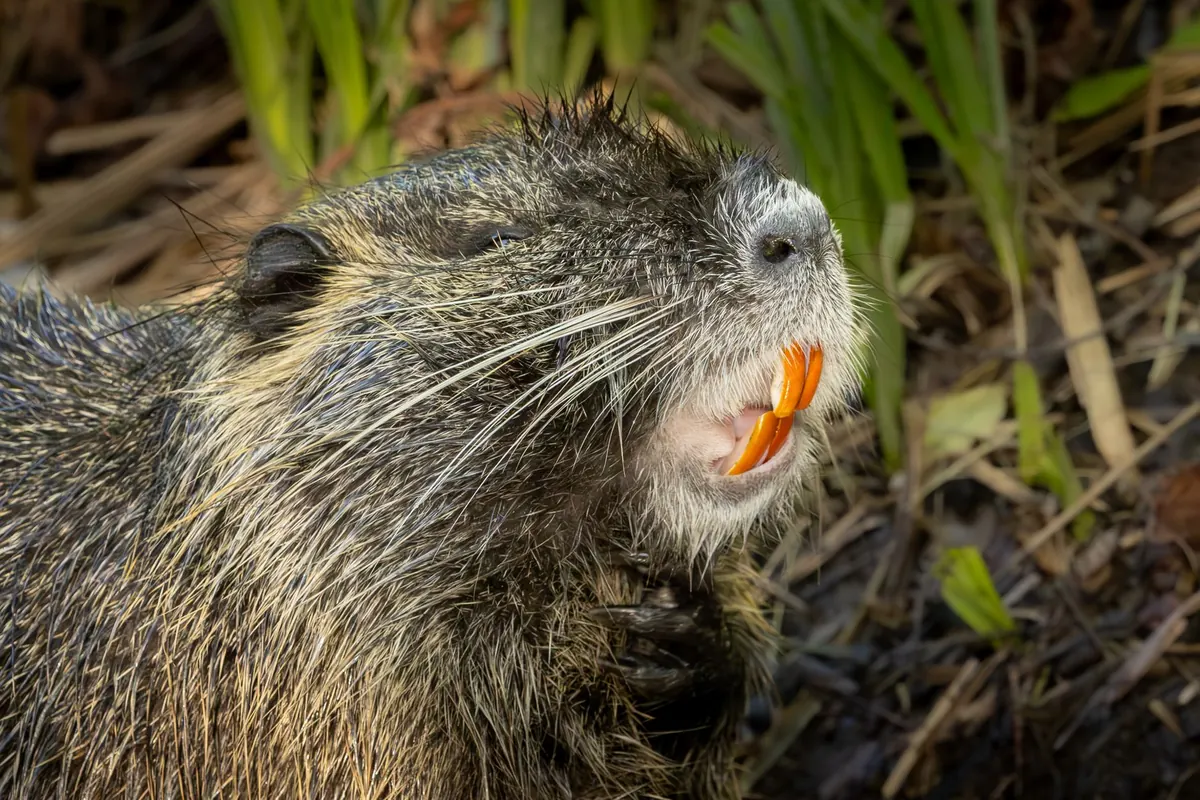
Geese graze tender emergent shoots down to the mud. Deer browse woody stock. Muskrats and nutria dig and chew. None of this is a reason to give up, but it does change the plan. Options include temporary fencing or netting during establishment, tree tubes or cages for shrubs and saplings, planting larger stock that can tolerate some browsing, and simply planting more than you need in the knowledge that some will be lost.
Time your planting so it does not coincide with peak grazing pressure, and check defences after storms — a flattened fence protects nothing.
6. Assuming Water Will Stay Where You Put It
Wetlands are dynamic. Beavers build, upstream drainage changes, droughts shrink ponds, and lake levels rise. Design for variability rather than a single fixed water level: plant a mosaic of species across a range of elevations so that some part of the planting is always in its comfort zone. Avoid the temptation to fight beavers with repeated destruction; in many cases, working with their water levels is cheaper and more durable.
7. Treating Planting as the Finish Line
The first two growing seasons decide the outcome. Water new plantings through dry spells. Hand-weed around plugs so they are not shaded out. Replant gaps where survival was poor, and expect to replace a portion of what you planted. Keep simple records — a photo from the same spot each season, a note on what died and where — because that is what tells you whether the site is too wet, too dry, too salty, or simply overgrazed.
A Short Checklist Before You Break Ground
- Map your water zones and pick species for each one.
- Choose a planting window that matches dormancy or reliable irrigation.
- Control invasive species before planting, not after.
- Cluster your plugs and plant the best areas densely.
- Plan for grazing animals from day one.
- Budget for two seasons of watering, weeding and replanting.
None of this is glamorous work. It is mud, gauges, fencing and follow-up visits. But it is the difference between a planting that disappears by August and one that is still spreading a decade later.
Photo: Mikhail Nilov / Pexels